
- What Is Retina Check Up and Why Is It Important?
- What Is Retina Test and How Does It Help?
- Why Do People with Diabetes Need a Retina Test for Diabetes?
- What Happens During a Retinal Eye Exam?
- Dilation of the Retina
- Digital Retina Imaging
- Optical Coherence Tomography (OCT)
- Further Retinal Tests
- When Should You Schedule a Retina Check Up?
- Warning Signs That Should Never Be Ignored
- How Can You Protect Your Vision?
- Early Treatment Can Help Preserve Your Sight
- Protect Your Vision with Regular Retina Care
It is not only about your blood sugar level when you have diabetes. This condition may affect the blood vessels of various organs of your body. The problem with your blood vessels may also occur in the eyes. Diabetic retinopathy refers to a disease of your retina that might cause blindness if left untreated.
The problem lies in the fact that retinal damage can occur in the absence of pain and without showing any symptoms at all. People who suffer from diabetes can see clearly but are not aware of the changes happening in their eyes. That is why the retina check up is the most crucial form of preventative care for people with diabetes.
What Is Retina Check Up and Why Is It Important?
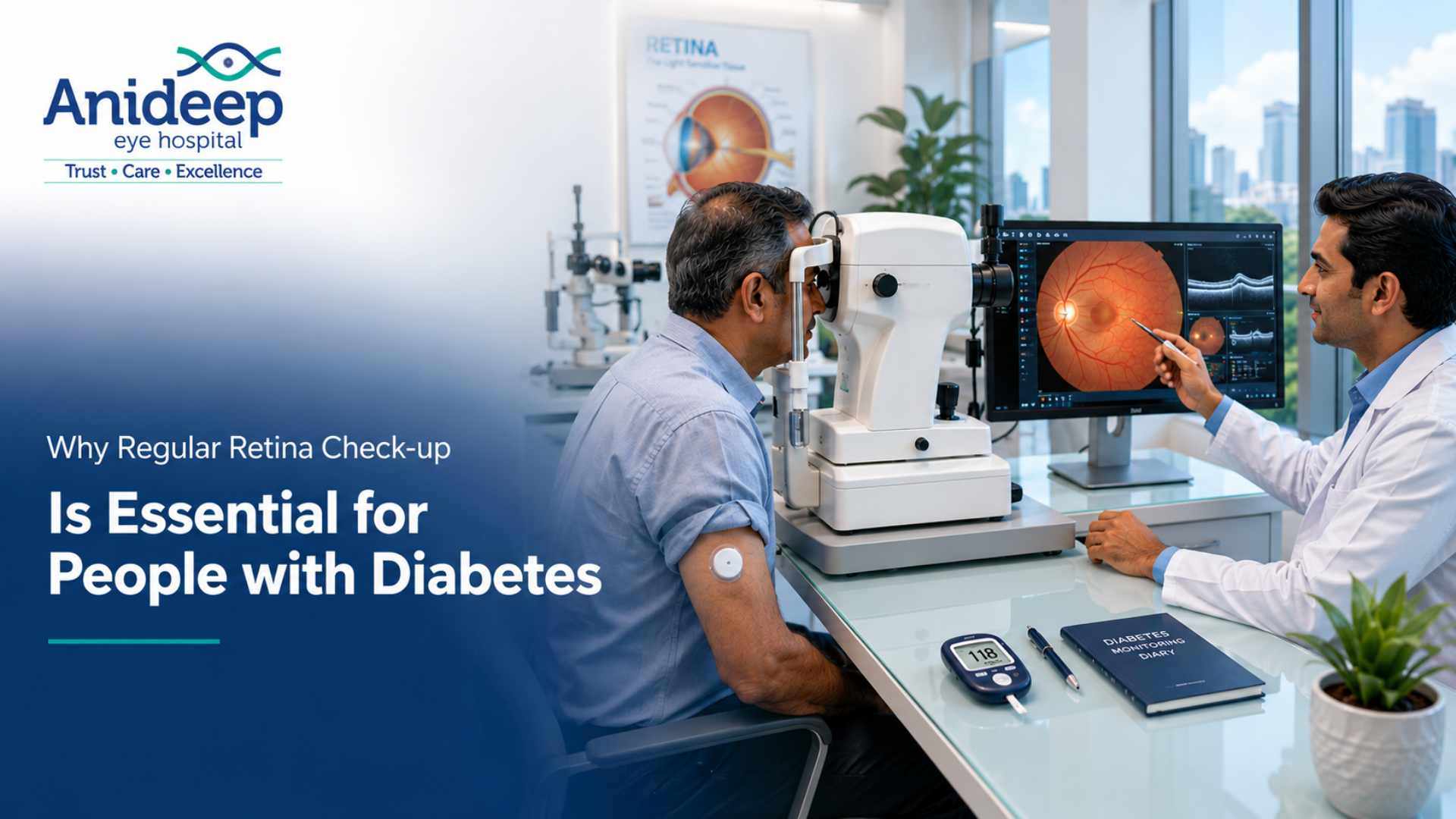
If you have ever been curious about what is retina check-up, then you should know that retina check up is an examination of the retina, which is basically a light-sensitive part of the back of your eye. Retina takes light rays and translates them into images for your brain.
In a retinal eye exam, The doctor will perform indirect ophthalmoscopy, direct ophthalmoscopy, and a slit-lamp examination to complete the clinical eye examination. Depending on the findings, additional tests such as Optical Coherence Tomography (OCT), fundus imaging, fluorescein retina angiography, and retinal ultrasound may be advised if required.
What Is Retina Test and How Does It Help?
Another question that many people would like to know is, "What is retina test? And how does it differ from regular eye examination?"
A retina test involves the evaluation of the condition of the retina and its blood vessels only. This test will involve detection of retinal conditions which do not have symptoms at their early stage, unlike the vision test which measures one's eyesight or prescription.
Advanced retinal eye exam might use modern imaging technology which helps an ophthalmologist identify even minute changes in the retina. It is the thorough assessment of the retinal condition which makes it possible to diagnose diabetic retinopathy at the earliest stage.
Why Do People with Diabetes Need a Retina Test for Diabetes?
Those with diabetes have a relatively high risk of experiencing retinal problems since increased levels of blood glucose tend to affect the small blood vessels that line the eyes.
A retina test for diabetes patients is very important since such eye problems will be detected early before they escalate. Patients with controlled blood sugar should also ensure that they conduct their retinal tests because they are still prone to developing eye problems as a result of having diabetes.
The more someone suffers from diabetes, the more he is likely to have diabetic retinopathy.
What Happens During a Retinal Eye Exam?
A retinal eye exam is safe, non-invasive, and usually completes in less than an hour. Most patients are shocked at how comfortable the test procedure is.
Your ophthalmologist can run numerous tests on your eye during the test.
Dilation of the Retina
Eyes are usually dilated using special eye drops that help the doctor view the inside of the retina and optic nerve.
Digital Retina Imaging
Highly-resolved pictures of the retina are captured to show the condition of your retina. Pictures will be saved for future comparisons.
Optical Coherence Tomography (OCT)
Pictures of the retinal layer of your eye are captured to diagnose retinal diseases such as diabetic macular edema among others.
Further Retinal Tests
When needed, your eye doctor will advise further tests to determine blood circulation and advanced retinal conditions. The purpose of these tests is to come up with a tailor-made treatment program suited for you according to your eye condition.
These combined tests will provide a comprehensive retina test for eyes.
When Should You Schedule a Retina Check Up?
Every person diagnosed with diabetes should make a retina check up part of their annual healthcare routine.
Some general guidelines are:
- Patients with Type 1 diabetes should have their first retinal examination after five years since diagnosis.
- Patients with Type 2 diabetes need to get a retinal examination at the time of diagnosis of diabetes.
- Women with diabetes during pregnancy might need more regular retinal examinations.
- Those patients who have diabetic retinopathy might need visits to the ophthalmologist every few months according to their status.
Your ophthalmologist will suggest the timing of your exams depending on the health of your eyes and diabetes.
Warning Signs That Should Never Be Ignored
While diabetic retinopathy can occur symptom-free, there are signs that need prompt treatment.
Visit your doctor in case you have:
- Blurred vision
- Dark or floating spots
- Vision distortion
- Trouble reading
- Sudden changes to your vision
- Light flashes
- Vision loss
The above-listed symptoms don’t necessarily mean you have diabetic retinopathy, yet they require professional evaluation.
How Can You Protect Your Vision?
Regular eye examinations remain the most effective way to reduce the risk of diabetes-related vision loss.
In addition to scheduling a retina check up, you should also:
- Maintain healthy blood sugar levels.
- Control blood pressure and cholesterol.
- Take diabetes medications as prescribed.
- Follow a balanced diet rich in vegetables and whole grains.
- Stay physically active.
- Avoid smoking.
- Attend all recommended eye appointments.
These simple lifestyle measures work together to reduce the risk of retinal complications while supporting overall eye health.
Early Treatment Can Help Preserve Your Sight
If retinal disease is detected during your retinal eye exam, modern treatment options can successfully slow disease progression and preserve vision.
Based on the seriousness of the disease, patients will be treated with either anti-VEGF shots, retinal laser treatment, steroid shots, or even undergo vitrectomy surgery in severe cases.
However, the trick to a successful treatment program is getting an early diagnosis, because waiting for symptoms to arise could cause a lot of retinal damage.
Protect Your Vision with Regular Retina Care
Your eyesight is one of your most valuable assets, and diabetes should never be allowed to take it away. Since retinal damage often develops silently, routine screening is the best defence against permanent vision loss.
Understanding what is retina check up, knowing what is retina test, and scheduling a timely retina test for diabetes can make a significant difference in preserving your eyesight. A comprehensive eye retina test allows your ophthalmologist to identify problems early and recommend the most appropriate treatment before vision is affected.
If you have diabetes or are experiencing changes in your vision, book an appointment with the experienced retina specialists at Anideep Eye Hospitalrefractive today. Early detection, expert care, and advanced retinal imaging can help protect your eyesight for years to come.